
Signs You Are Pregnant: The 20 Earliest and Strangest Pregnancy Symptoms

While the most reliable way to confirm pregnancy is through a pregnancy test, some women may experience early and unusual symptoms before a missed period. It’s important to note that these symptoms can vary greatly from person to person, and not everyone will experience them. Here are 20 early and sometimes weird signs of pregnancy:
- Implantation Bleeding: Some women may experience light spotting when the fertilized egg implants itself into the uterus lining.
- Breast Changes: Tender or swollen breasts can be an early sign of pregnancy due to hormonal changes.
- Fatigue: Increased levels of progesterone can cause fatigue and drowsiness.
- Nausea/Morning Sickness: Nausea and vomiting, commonly known as morning sickness, can occur any time of the day.
- Frequent Urination: Hormonal changes can lead to increased blood flow to the kidneys, resulting in more frequent urination.
- Mood Swings: Fluctuating hormones can affect mood, causing mood swings and irritability.
- Heightened Sense of Smell: Some women may become more sensitive to odors, leading to aversions or cravings.
- Food Aversions/Cravings: Changes in taste and smell can lead to specific food aversions or cravings.
- Constipation: Hormonal changes can slow down digestion, leading to constipation.
- Bloating: Increased progesterone can cause water retention and bloating.
- Headaches: Hormonal fluctuations can contribute to headaches in early pregnancy.
- Dizziness: Changes in blood pressure and blood sugar levels can lead to dizziness.
- Heartburn: Increased progesterone can relax the valve between the stomach and the esophagus, leading to heartburn.
- Backache: Hormonal changes and the growing uterus can contribute to back pain.
- Increased Vaginal Discharge: Changes in hormones can lead to an increase in cervical mucus.
- Cramping: Mild uterine cramping can occur as the uterus expands.
- Metallic Taste in Mouth: Some women report a metallic taste in the mouth.
- Acne or Skin Changes: Hormonal changes can affect the skin, leading to acne or changes in complexion.
- Shortness of Breath: Increased progesterone can affect lung function, causing shortness of breath.
- Joint and Muscle Pain: Hormonal changes and the body’s adjustment to pregnancy can result in joint and muscle pain.
It’s important to note that these symptoms can also be related to other factors, and the only way to confirm pregnancy is through a pregnancy test.
Taking a Pregnancy Test: Confirming Your Suspicions
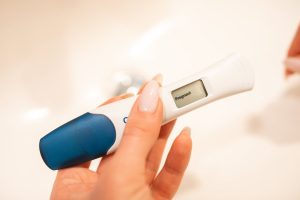
If you suspect you might be pregnant, taking a pregnancy test is the best way to confirm your suspicions. It is important to note, however, that not all tests are created equal. Some tests can detect pregnancy earlier than others. For example, a blood test can detect pregnancy as early as six to eight days after implantation, while a urine test may take up to two weeks after implantation to turn positive.
If you choose to take a home pregnancy test, be sure to read the instructions carefully and follow them closely. Collect your urine sample using the provided container and dip the test into the urine or use the dropper to apply a few drops onto the test strip. Most tests take only a few minutes to produce results.
Interpreting the results of your test is also important. If you see a positive result, congratulations! You are likely pregnant. If you see a negative result, it is still possible that you could be pregnant. Wait a few days and test again, or consult with your healthcare provider for further testing.
It is important to keep in mind that some medications, such as fertility drugs, may affect the accuracy of your test results. Additionally, certain medical conditions, such as an ectopic pregnancy, may also produce false positive or negative results. Always consult with your healthcare provider for confirmation of your pregnancy status.
When to Take a Pregnancy Test
The best time to take a pregnancy test is after you have missed your period, as this is when hCG levels in the body are at their highest. However, some tests can detect pregnancy as soon as a few days before your missed period, although accuracy may vary.
If you are experiencing early signs of pregnancy, such as fatigue, morning sickness, or breast tenderness, it may be a good idea to take a pregnancy test, even if you have not yet missed your period.
Consulting a Healthcare Professional
If you have received a positive pregnancy test result, it is important to schedule an appointment with your healthcare provider as soon as possible. They can confirm your pregnancy, answer any questions you may have, and provide guidance on prenatal care.
If you receive a negative test result but are still experiencing symptoms of pregnancy, consult with your healthcare provider for further testing and evaluation.
Recognizing the Signs
Recognizing the signs of pregnancy is essential for women who are trying to conceive or have concerns about being pregnant. By paying attention to subtle changes in their bodies, women can identify unusual and early pregnancy symptoms that may indicate a pregnancy. From tender breasts to mood swings, these signs can vary from woman to woman and from week to week. However, it is essential to remember that every pregnancy is different, and not all women will experience the same symptoms.
If you suspect that you may be pregnant, it is essential to take a home pregnancy test and seek medical confirmation from a healthcare professional. Prompt medical care can help ensure a healthy and safe pregnancy for both the mother and the baby.
Overall, understanding the signs of pregnancy can offer women peace of mind and help them prepare for the journey ahead. From the earliest and weirdest symptoms to unusual indicators that may appear before a missed period, this article has covered everything you need to know about pregnancy signs and symptoms. So, stay informed, stay healthy, and enjoy the journey to motherhood!
Remember, if you experience any unusual symptoms or concerns, it is essential to seek medical attention right away. And, if you know someone who may be pregnant, don’t hesitate to offer your support and share this article with them!
Thank you for reading!

You May Also Like

Navigating the First Trimester: 12 Essential Must-Haves for Expectant Mothers

40 Things You Must Do When You Find Out You’re Pregnant
