10 Eco-Friendly Wedding Ideas for a Beautiful, More Sustainable Celebration
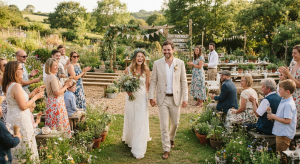
Weddings are beautiful celebrations—but they can also create a surprising amount of waste.
Flowers are used for a few hours. Decorations are purchased for one day. Food gets left behind. Invitations travel through the mail. Outfits may never be worn again.
The good news is that planning a more sustainable wedding doesn’t mean giving up the things that make a wedding feel special.
You don’t have to make every decision perfectly, either.
Choose a few changes that work for your budget, venue, and wedding style. Even small decisions can help you create a celebration that’s beautiful without buying quite so many things destined for the trash afterward.
Here are 10 ideas to consider.
1. Choose a Venue That Reduces Unnecessary Travel
This post contains affiliate links. As an Amazon Associate I earn from qualifying purchases.
Before booking a venue, think about where most of your guests will be traveling from.
A location that’s relatively convenient for the majority of your guest list may reduce the amount of driving and complicated transportation involved.
An even better option?
Hold your ceremony and reception at the same venue.
Guests won’t need to drive from one location to another, you can simplify transportation, and you’ll have fewer logistics to coordinate.
If many guests are staying at the same hotel, consider arranging shared transportation rather than having everyone travel separately.
2. Swap Plastic Confetti for Natural Alternatives
If you’re dreaming of that celebratory confetti-toss photograph, skip plastic glitter and metallic confetti.
Dried flower petals or leaves can create a beautiful alternative.
Place small handfuls in paper cones or baskets and have guests toss them as you leave the ceremony.
But check with your venue first.
Even natural or biodegradable confetti may be prohibited because it still needs to be cleaned up or could affect the property.
If confetti isn’t allowed, bubbles, ribbon wands, or simply having guests cheer as you walk past can still create a fantastic exit photograph.
3. Consider Digital Invitations
Digital invitations can reduce paper use while making wedding administration considerably easier.
Guests receive their invitations electronically and can often RSVP online, which means no reply cards, envelopes, or return postage.
They’re particularly useful for save-the-dates, rehearsal information, wedding-weekend schedules, and last-minute updates.
If you love traditional stationery, you don’t have to eliminate it entirely.
Consider sending printed invitations for the main event while handling save-the-dates, RSVPs, directions, accommodation details, and other information digitally.
That gives you the keepsake invitation without quite so much paper.
4. Choose Seasonal Flowers
Before deciding exactly which flowers you want, ask your florist what’s naturally available around your wedding date.
Seasonal blooms may require less complicated sourcing and can give your arrangements a beautiful sense of place and season.
You can also incorporate locally grown flowers when they’re available.
And don’t assume every surface needs a giant floral arrangement.
Greenery, potted plants, candles, branches, and smaller arrangements can create just as much atmosphere while reducing the sheer quantity of cut flowers required.
Afterward, encourage guests to take arrangements home or ask whether your flowers can be donated or repurposed.
5. Rent, Borrow, or Rewear Wedding Clothing
Wedding clothing doesn’t necessarily have to be purchased brand new.
Grooms and groomsmen can rent suits or tuxedos. Brides may choose a pre-owned gown, rent certain pieces, or buy accessories they’ll wear again.
For bridesmaids, consider choosing a color palette instead of requiring everyone to purchase the exact same dress.
Someone may already own something appropriate.
If you’re buying your wedding attire, think about what can realistically be worn again, altered, sold, donated, or passed along afterward.
One wedding doesn’t have to mean an entirely new wardrobe for everyone involved.
Planning your wedding? Keep all those little details from becoming overwhelming with 10 printable checklists covering your planning timeline, budget, venue, vendors, guests, attire, décor, photography, wedding day and more.

6. Rent Your Décor Before Buying It
Before ordering 75 candle holders, 14 table-number frames, three easels, and an enormous decorative arch, ask yourself one question:
What am I going to do with all of this afterward?
Many wedding décor items can be rented.
Vases, candle holders, linens, arches, signage stands, furniture, tableware, and decorative pieces may already be available through your venue or local rental companies.
You can also borrow items or repurpose things you already own.
And when you do buy décor, choose pieces you can use in your home, resell, or pass along to another couple afterward.
Reusable acrylic table numbers give reception tables a polished, coordinated look and can often be resold or passed to another couple afterward.
7. Make a Plan for Leftover Food
Wedding food waste is difficult to address once everyone is packing up and going home.
Talk to your caterer before the wedding about how leftovers are handled.
Food-safety regulations, venue policies, and local rules may limit what can be donated, so don’t assume a shelter or charity will automatically be able to accept prepared wedding food.
Your caterer may be able to safely package certain leftovers for you or your guests.
For food that can’t be donated or taken home, ask whether your venue or caterer has a composting program.
The important part is having a plan before the food is left sitting at the end of the night.
8. Use Real or Reusable Tableware When Possible
“Biodegradable” doesn’t always automatically mean something is the most sustainable choice.
If your venue or caterer already provides washable plates, glasses, cutlery, and linens, using those can eliminate the need to purchase disposable alternatives at all.
For casual or outdoor celebrations where disposables are necessary, look into compostable options and find out whether your venue actually has access to appropriate composting facilities.
The simplest rule is:
An insulated beverage tub creates an attractive self-serve drink station and keeps bottled beverages cold without constant trips to a refrigerator.
Reusable cloth napkins can reduce reception waste while adding colour and texture to each place setting, especially when they can be washed and used again afterward.
Reuse when you can. Dispose thoughtfully when you can’t.
9. Choose Wedding Favors That Won’t Become Clutter
Let’s save your guests from another tiny object with your wedding date printed on it.
If you want favors, choose something useful, edible, or plantable.
Seed packets, small potted herbs, locally made treats, coffee, tea, or another consumable can make thoughtful options.
You can also skip physical favors completely and make a donation to a cause that’s meaningful to you.
And yes—you are absolutely allowed to have no wedding favors at all.
Your guests came to celebrate your marriage. Nobody is leaving devastated because they didn’t receive a personalized bottle opener.
10. Add More Plant-Based Options to Your Menu
You don’t have to serve an entirely vegan wedding feast to make your menu more plant-forward.
Ask your caterer about creating delicious vegetarian entrées, appetizers, salads, grains, and seasonal vegetable dishes.
You could serve a vegetarian main course, offer several plant-based choices alongside meat dishes, or make cocktail hour predominantly vegetarian.
The important thing is making the food genuinely delicious rather than treating the vegetarian option as an afterthought.
A gorgeous mushroom risotto, roasted vegetable tart, seasonal pasta, curry, or beautifully prepared grain dish can win over guests regardless of how they normally eat.
A Sustainable Wedding Doesn’t Have to Be Perfect
It’s easy to turn sustainability into another wedding-planning standard you feel pressured to meet.
Don’t.
Maybe you send digital invitations but buy the dress of your dreams.
Maybe you serve meat but rent all your décor.
Maybe your venue isn’t particularly close, but you eliminate disposable tableware and choose seasonal flowers.
Those choices still count.
Look at the areas where you can realistically reduce waste, reuse what already exists, and avoid buying things you’ll throw away after a few hours.
Then plan the wedding you actually want.
Because a more sustainable wedding doesn’t need to look “eco-friendly.”
It can simply look like a beautiful wedding where a little less goes to waste.
Want a little help keeping all those wedding details organized? The Wedding Planning Checklist Bundle is there when you’re ready, with 10 printable checklists to help you plan your big day one checkmark at a time.
Helpful Wedding Products
You May Also Like

10 Tips to Help Newlyweds Survive the First Year of Marriage

10 Common Wedding Planning Mistakes and How to Avoid Them