10 Parenting Hacks for Building Emotional Intelligence in Kids
This post contains affiliate links. As an Amazon Associate I earn from qualifying purchases.

1) Name Their Emotions:
Help your child recognize and label their emotions by saying things like, “I see you’re feeling frustrated because you can’t finish your puzzle.” This helps them understand and articulate their feelings.
2)Encourage Empathy:
Teach your kids to think about how others feel. For example, “How do you think your friend felt when you didn’t share?” Empathy is a core component of emotional intelligence.
3)Model Emotional Regulation:
Children learn how to manage emotions by watching you. If you stay calm during stressful situations, they’re more likely to do the same. Explain your feelings, “I’m feeling upset, so I’m going to take a deep breath.”
4)Teach Coping Strategies:
Show kids how to manage their emotions with techniques like deep breathing, counting to ten, or taking a break when they’re feeling overwhelmed. Practice these methods during calm moments.
5)Create a Calm-Down Corner:
Set up a cozy space where your child can go to calm down when they’re feeling angry or upset. Stock it with soft pillows, stress balls, or coloring books to help them self-soothe.
A calm-down corner sensory kit gives children a defined set of quiet tools to reach for while they practise settling their bodies and naming what they feel.
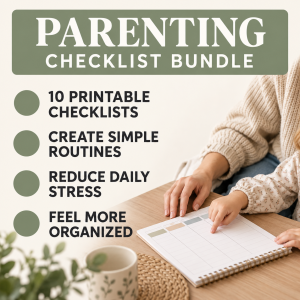
Could family life use a little less chaos? Make everyday routines easier with 10 printable parenting checklists covering school mornings, after-school routines, bedtime, screen time, sibling conflict, healthy habits, travel and more.
6)Use Storytime to Discuss Emotions:
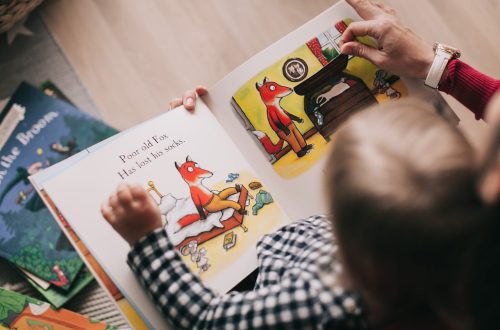
Read books with emotional themes and discuss how the characters feel. Ask questions like, “Why do you think they felt that way?” and “What could they do to feel better?”
A children’s feelings book gives families shared language for worry, anger, disappointment and joy before those emotions become difficult to explain.
7)Acknowledge All Feelings, But Guide Actions:
Let your child know it’s okay to feel angry, sad, or frustrated, but guide them on appropriate ways to express those emotions. “It’s okay to feel mad, but it’s not okay to hit.”
Emotion flash cards help children connect facial expressions and body sensations with words, making it easier to discuss feelings before they become overwhelming.
8)Encourage Problem-Solving:
When your child is upset, guide them through problem-solving instead of offering quick solutions. Ask questions like, “What can we do to make this better?” or “How could we fix this?”
9)Role-Playing Emotional Scenarios:
Use role-playing to practice responding to various emotional situations. This helps kids rehearse how to react when they’re feeling strong emotions, whether it’s happiness, anger, or sadness.
10)Celebrate Emotional Growth:
When your child handles their emotions well, acknowledge it. “I’m really proud of how you calmed down after being frustrated.” This reinforces positive emotional management.
Want a little help making everyday family life easier? The Organized Parent Checklist Bundle is there when you need it, with 10 practical printable checklists for some of the routines and challenges parents handle every day.
Helpful Family Products
You May Also Like

Your Child Will Listen If You Do This: 10 Strategies for Effective Communication

The Complete Guide to Toddler Parenting: 40+Tips You Need to Know