
Eating Throughout the Trimesters: Pregnancy Powerfoods You Should Be Eating
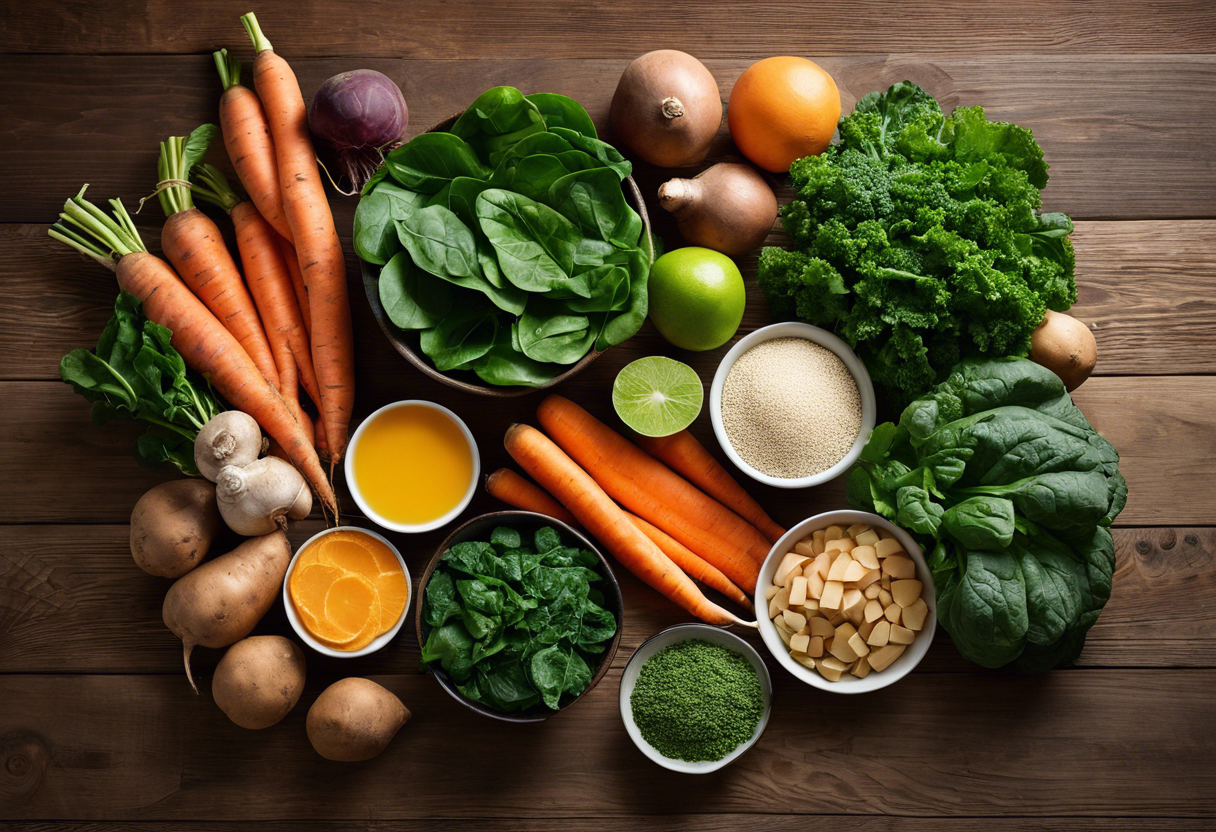
Navigating the journey of pregnancy requires a focus on optimal nutrition, not only for your health but also to support your developing baby. Consuming a balanced and diverse diet becomes even more crucial during this time.
The emphasis is on ‘power foods’— nutrient-dense foods that provide a rich supply of vitamins, minerals, and essential components necessary for fetal development and maternal health. These foods support the increased needs of pregnancy.
This includes everything, from building a baby’s bones and tissues to bolstering a mother’s energy and well-being. Incorporating a variety of these power foods into daily meals ensures both mother and baby have the resources needed for a healthy pregnancy journey.
The Role of Nutrients During Pregnancy
This post contains affiliate links. As an Amazon Associate I earn from qualifying purchases.
Let’s take a look at the role of nutrients during pregnancy. Throughout pregnancy, nutrients play crucial roles in the development of the fetus and the well-being of the mother. Essential vitamins and minerals support fetal growth, brain development, and bone strength. Proper nutrition aids in the formation of vital organs and can prevent birth defects.
Key nutrients include:
- Folic Acid: Vital for preventing neural tube defects.
- Iron: Supports the baby’s growth and development, and helps prevent anemia in the mother.
- Calcium: Essential for building strong bones and teeth.
- Protein: Crucial for the growth of fetal tissue, including the brain.
- Omega-3 Fatty Acids: Important for brain and eye development.
- Vitamin D: Supports immune system and bone health.
- Iodine: Essential for thyroid function and brain development.
Adequate intake of these nutrients ensures a foundation for a healthy pregnancy and the long-term health of the child.
First Trimester Foods for a Healthy Start
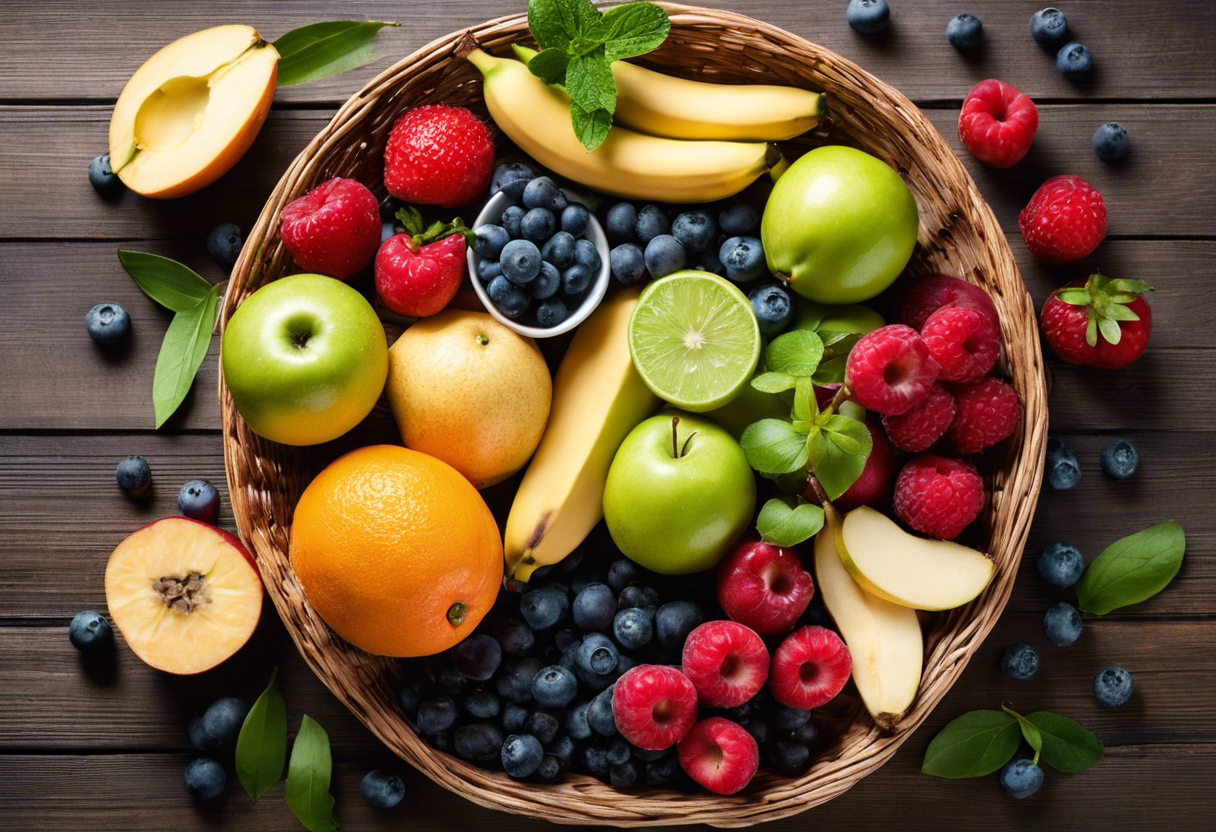
During the first trimester, a critical period for fetal development, women should prioritize nutrient-dense foods. Including:
- Leafy Greens: Spinach, kale, and other greens are high in folic acid, which is essential for preventing birth defects.
- Legumes: Beans, lentils, and peas provide protein, iron, folate, and calcium.
- Nuts and Seeds: Especially almonds and chia seeds, offer healthy fats and fiber.
- Dairy: Greek yogurt and cheese are good calcium sources and support bone health.
- Lean Meats: Chicken and turkey breast are excellent protein sources with minimal fat.
- Fruits: Citrus fruits, berries, and apples are rich in vitamin C and fiber, aiding in digestion and immunity.
- Whole Grains: Oatmeal and quinoa contain B vitamins and iron, supporting energy levels.
- Fish: Salmon or sardines provide omega-3 fatty acids crucial for brain development; however, it’s important to choose low-mercury options.
- Eggs: They are a compact source of choline, which supports brain health.
A set of insulated meal-prep containers makes it easier to prepare small, nourishing portions ahead of time and take foods you can tolerate wherever the day leads.
Leakproof snack containers make small portions easy to prepare and carry, which is useful when an empty stomach makes nausea feel worse.
A pregnancy nutrition cookbook can turn broad advice into realistic meal and snack ideas; use it alongside the individualized guidance from your healthcare provider.
Preparing for your baby? Make the planning feel more manageable with 10 printable checklists covering each trimester, appointments, your hospital bag, birth preparation, postpartum supplies and more.
Ensuring a varied diet will help cover the spectrum of necessary nutrients.
Second Trimester: Sustaining Growth and Energy

During the second trimester, the fetus experiences rapid growth, and your body demands additional nutrients to support this phase. Energy needs are higher, and it’s essential to consume foods rich in complex carbohydrates, proteins, and omega-3 fatty acids to promote sustained energy levels and fetal development.
- Complex Carbohydrates: Found in whole grains, legumes, and starchy vegetables, they provide a steady release of energy. Brown rice, quinoa, and sweet potatoes are excellent choices.
- High-Quality Protein: Necessary for fetal growth. Include lean meats, eggs, tofu, and Greek yogurt in the diet to fulfill protein requirements.
- Omega-3 Fatty Acids: Critical for the baby’s brain development. Salmon, flaxseeds, and walnuts are fantastic sources of omega-3s.
- Leafy Greens: Spinach, kale, and other greens are packed with iron, which is crucial during the second trimester to prevent anemia and fatigue. They also offer a wealth of vitamins and antioxidants.
Consuming a balanced diet and incorporating these power foods will ensure both you and the developing fetus have the energy and nutrients needed during this vital stage of pregnancy.
Third Trimester: Preparing for Birth and Beyond

During the third trimester, expecting mothers should focus on nutrient-dense foods that support fetal growth and prepare the body for labor. Iron and protein are crucial, as iron combats anemia, and protein aids in the baby’s development. Foods such as:
- Lean meats
- Lentils
- Fortified cereals
provide these essential nutrients. Calcium is also important for the baby’s bone development, with dairy products and fortified plant milk being excellent sources. Omega-3 fatty acids, are found in:
- Fish
- Walnuts
- Chia seeds
are important for brain development. Hydration also remains key; water-rich fruits and vegetables, like watermelon and cucumbers, can help maintain fluid levels. Additionally, fiber-rich foods can alleviate constipation, a common issue in late pregnancy.
Whole grains, legumes, and leafy greens are beneficial for maintaining digestive health. Preparing the body for labor also includes maintaining a balanced diet that supports energy levels and overall health as the due date approaches.
So there you have it! A complete rundown of what is necessary during the first, second, and third trimester of pregnancy to ensure that you and your baby stay healthy.
Want a little help keeping track of everything as you prepare for baby? The Pregnancy Preparation Checklist Bundle is there when you’re ready, with 10 simple printable checklists to guide you one checkmark at a time.
Helpful Pregnancy Essentials
- Insulated meal-prep container setPrepare balanced meals ahead and keep hot and cold foods at the right temperature when hunger arrives away from home.
- Pregnancy nutrition cookbookGet practical meal ideas built around nourishing ingredients when you are tired of wondering what to cook.
- Leakproof snack container setPack fruit, crackers and other small snacks securely so something easy to eat is always within reach.


You May Also Like

The Ultimate Do’s and Don’ts During Your First Trimester of Pregnancy, Everything You Need to Know

The Best Morning Sickness Tips You Need to Know and Try
