
The Best Morning Sickness Tips You Need to Know and Try

Being pregnant is one of the most exciting and fulfilling experiences in life. However, the morning sickness that accompanies pregnancy can be tough to handle. Nausea and vomiting are common symptoms that can put a dampener on your day.
Fortunately, there are several effective strategies that can help ease morning sickness and provide relief during pregnancy. In this article, we’ll explore various tips and techniques that you can try to alleviate morning sickness symptoms.
Key Takeaways:
This post contains affiliate links. As an Amazon Associate I earn from qualifying purchases.
- Morning sickness is a common symptom of pregnancy.
- Several effective strategies can help alleviate morning sickness symptoms.
- Healthy eating habits, hydration, natural remedies, and lifestyle changes can offer relief during pregnancy.
- Techniques such as nausea prevention, coping strategies, and medication may be necessary in severe cases.
- Consulting with a healthcare professional is advised in case of severe morning sickness symptoms.
Understanding Morning Sickness and Its Causes
Morning sickness is a common pregnancy symptom that affects up to 80% of pregnant women. While the exact cause of morning sickness is unknown, experts believe it may be due to hormonal changes that occur during pregnancy, particularly elevated levels of human chorionic gonadotropin (hCG) and estrogen.
Other factors that may contribute to morning sickness include low blood sugar, vitamin deficiencies, and stress. Certain foods and smells can also trigger nausea and vomiting in some women.
Although morning sickness can be uncomfortable, it is usually not harmful to the mother or baby. However, severe cases of morning sickness, known as hyperemesis gravidarum, can lead to dehydration and weight loss and may require medical treatment.
In the next sections, we’ll discuss tips and strategies for managing morning sickness symptoms and reducing discomfort during pregnancy.
Developing Healthy Eating Habits for Morning Sickness Relief
The food you eat during pregnancy can have a significant impact on how you feel. By introducing healthy eating habits, you can manage morning sickness symptoms and promote better overall health for both you and your growing baby.
One of the best ways to combat morning sickness is by eating small, frequent meals throughout the day. This keeps your blood sugar levels stable and can help you avoid feeling nauseous. Focus on foods that are high in protein and complex carbohydrates, such as whole grains, nuts, and legumes.
Leakproof snack containers make small portions easy to prepare and carry, which is useful when an empty stomach makes nausea feel worse.
It’s also important to stay hydrated by drinking plenty of water and avoiding sugary or caffeinated beverages. Sipping on ginger tea or chewing on ginger chews can also help to settle your stomach.
Avoiding strong smells and spicy or fatty foods can also reduce nausea. Instead, try incorporating foods with a mild flavor and gentle aroma, such as crackers, plain rice, or bland soups.
By making small changes to your diet and eating habits, you can alleviate morning sickness symptoms and feel better during your pregnancy
Hydration and Morning Sickness: Staying Hydrated Throughout the Day
Dehydration can worsen nausea and vomiting, and even lead to more serious health issues. It’s essential to drink plenty of fluids throughout the day and maintain optimal hydration levels.
The recommended daily water intake during pregnancy is eight to 12 cups (64-96oz) per day. It’s best to avoid sugary or caffeinated drinks and rely on water, herbal tea, and natural juices instead.
If plain water doesn’t appeal, try adding a slice of lemon or lime or infusing water with berries for a refreshing twist. Remember to sip fluids slowly and frequently throughout the day for optimal hydration.
In case of severe morning sickness, medical intervention may be necessary, and your healthcare provider may recommend intravenous (IV) fluids to maintain hydration levels. It’s always advisable to consult with your healthcare provider if you’re experiencing severe morning sickness, dehydration, or other health concerns during pregnancy.
Natural Remedies for Morning Sickness Relief
Many expectant mothers prefer to use natural remedies to alleviate morning sickness symptoms, particularly if they prefer not to use medication. Here are some natural remedies and alternative therapies to try:
Ginger
Ginger is a well-known and acclaimed natural remedy for morning sickness symptoms. It can be eaten raw, used in cooking, or consumed in supplement form. Research has shown that ginger reduces nausea and vomiting associated with pregnancy.
Acupressure
Acupressure is another natural method that has been found to reduce nausea and vomiting. It involves applying pressure to specific points on the body, and can be done using your fingers or acupressure wristbands.
Peppermint
Peppermint is another natural remedy that can be quite effective for morning sickness relief. Its calming properties can help reduce nausea and soothe an upset stomach. Peppermint tea, capsules, or essential oils can be used.
Lemon
Lemon has a refreshing scent and can help combat nausea. Try adding lemon to water or tea or inhaling lemon essential oils.
Chamomile
Chamomile tea has soothing properties and can help calm an upset stomach. It can also aid relaxation, which can be particularly helpful during pregnancy.
- Experiment with different natural remedies to find what works best for your needs.
- Always consult with your healthcare provider before trying any natural remedies, particularly if you have a medical condition or if you’re taking any medications.
By incorporating natural remedies into your daily routine, you may be able to reduce your morning sickness symptoms and enjoy a more comfortable pregnancy.
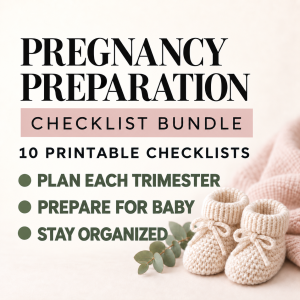
Preparing for your baby? Make the planning feel more manageable with 10 printable checklists covering each trimester, appointments, your hospital bag, birth preparation, postpartum supplies and more.

Lifestyle Changes for Managing Morning Sickness
Morning sickness can be a challenging symptom to deal with during pregnancy, but making lifestyle changes can help reduce its impact. One of the first things you can do is adjust your daily routine. Try to get enough rest, even if it means taking a nap during the day. Also, consider eating smaller, more frequent meals throughout the day instead of three large meals.
Stress can also exacerbate morning sickness symptoms, so make sure to incorporate stress-reducing activities into your routine. Yoga, meditation, and deep breathing exercises can all be helpful. Additionally, getting regular exercise can help boost your mood and improve how you feel overall.
Another lifestyle factor to consider is your diet. Avoid foods and smells that trigger your morning sickness symptoms, and focus on eating healthy, nutrient-dense foods like fresh fruits and vegetables, lean proteins, and whole grains. Drinking plenty of water throughout the day can also help keep you hydrated and minimize nausea.
Overall, making intentional lifestyle changes can have a significant impact on managing morning sickness during pregnancy. By prioritizing rest, reducing stress, and choosing healthy foods, you can help alleviate symptoms and feel better throughout your day.
A compact pregnancy wedge pillow supports one targeted area without taking over the bed and is small enough to move between the sofa, car and bedroom.
Nausea Prevention Techniques
Dealing with the nausea from morning sickness can be challenging, but there are various techniques you can try to help prevent or minimize it. Here are some tips:
If smells and movement make nausea harder to manage, morning-sickness acupressure wristbands offer a drug-free option you can keep beside the bed or carry in your bag.
1. Eat small, frequent meals
Having an empty stomach can make nausea worse, so try eating small, frequent meals throughout the day rather than three large ones.
2. Avoid trigger foods
Sometimes certain foods can trigger nausea, so pay attention to what you’re eating and avoid any that seem to make your symptoms worse.
3. Stay hydrated
Drinking plenty of water can help prevent dehydration, which can worsen nausea. Sipping on cold fluids or sucking on ice chips can also help.
4. Take breaks
If you’re feeling overwhelmed or stressed, take a break and try some relaxation techniques like deep breathing or meditation. Stress can exacerbate nausea, so finding ways to manage it can be helpful.
5. Try natural remedies
Ginger and peppermint are known natural remedies that can help with nausea. Try sipping on ginger tea or inhaling peppermint essential oil to see if it helps alleviate your symptoms.
By implementing these nausea prevention techniques, you’ll hopefully find some relief from morning sickness during your pregnancy.
Coping Strategies for Managing Morning Sickness at Work or School
Dealing with morning sickness symptoms while trying to be productive at work or school can be challenging. Here are some coping strategies that can help:
Create a Comfortable Space
If possible, try to create a comfortable workstation or study area with items such as a fan, air freshener, or any items that help alleviate your symptoms. Avoid strong smells and foods that can trigger nausea.
Schedule Breaks
Plan regular breaks to rest, get fresh air, and rehydrate. This will allow you to recharge and manage your symptoms without compromising your performance.
Be Prepared
Prepare a small kit with essentials such as ginger chews, crackers, and water to help ease symptoms throughout the day. You may also consider carrying medications approved by your healthcare provider.
Communicate with Your Supervisor or Teachers
Don’t be afraid to communicate with your supervisor or teachers about your condition. They may be able to make reasonable adjustments or accommodations to support you during this time.
Remember, it’s okay to prioritize your health during this time. By implementing these coping strategies, you can manage morning sickness symptoms and be productive at work or school.
Medications and Medical Interventions for Severe Morning Sickness
In some cases, morning sickness can be severe and may require medical attention. It’s crucial to consult a healthcare professional before taking any medications during pregnancy. They will evaluate the severity of your symptoms and provide the best course of action.
Antihistamines like doxylamine and pyridoxine have been found to be effective in treating morning sickness. Doctors may also prescribe other medications like ondansetron or metoclopramide to alleviate severe nausea and vomiting. However, it’s essential to follow your doctor’s advice and avoid taking any medication without their consent.
In rare cases, hospitalization may be required to manage severe dehydration caused by excessive vomiting. Your healthcare provider may suggest IV fluids or total parenteral nutrition to ensure that you and your baby get the necessary nutrients for a healthy pregnancy.
When to Seek Medical Help
If you experience any of the following symptoms, seek medical help immediately:
- Severe, persistent vomiting
- Blood in vomit or stools
- Significant weight loss
- Fever and chills
- Rapid heartbeat and palpitations
- Fainting or dizziness
- Reduced urine output
If you are unsure about your symptoms or have concerns, make an appointment with your healthcare provider to ensure the safety and health of you and your baby. Remember, morning sickness is a common and manageable pregnancy symptom, and medical interventions should only be used in severe cases.
Conclusion
While morning sickness can be a challenging and uncomfortable experience for many pregnant women, there are numerous tips and strategies that can help alleviate the symptoms and improve overall well-being. From adopting healthy eating habits to making positive lifestyle changes, it’s possible to manage morning sickness and enjoy a healthy pregnancy.
It’s important to remember that every woman’s experience with morning sickness is unique, and what works for one person may not work for another. However, by incorporating some of the tips and techniques discussed in this article, you can find relief and make your pregnancy as comfortable as possible.
Always consult your healthcare provider if you have any concerns or questions about managing morning sickness. With their guidance and the strategies outlined in this article, you can take control of your symptoms and enjoy this special time in your life.
Want a little help keeping track of everything as you prepare for baby? The Pregnancy Preparation Checklist Bundle is there when you’re ready, with 10 simple printable checklists to guide you one checkmark at a time.
Helpful Pregnancy Essentials
- Morning-sickness acupressure wristbandsTry a reusable, medication-free comfort option that is discreet enough to wear at home, work or while travelling.
- Leakproof snack container setKeep plain crackers and other stomach-friendly snacks close without crumbs or spills taking over your bag.
- Compact pregnancy wedge pillowUse gentle, targeted support when resting or elevating your upper body feels more comfortable.


You May Also Like

40 Things You Must Do When You Find Out You’re Pregnant

Pregnancy To-Do Checklist- The 30 Things You Must Do First
