
The Ultimate Do’s and Don’ts During Your First Trimester of Pregnancy, Everything You Need to Know
The first trimester of pregnancy is a crucial time for both the mother and the developing fetus. It is essential to take extra care during this time to ensure a healthy pregnancy and the best possible outcome for both.
While every pregnancy is unique, there are some essential do’s and don’ts that women should follow during the first trimester. From managing symptoms such as morning sickness and fatigue to making dietary changes and visiting the doctor regularly, the choices you make during this time can have lasting effects on your baby’s health.
Key Takeaways
This post contains affiliate links. As an Amazon Associate I earn from qualifying purchases.
- Follow a healthy diet and take prenatal vitamins to ensure proper nutrition for you and your baby.
- Regular doctor visits and prenatal care are essential to monitor your health and the baby’s development.
- Stay active and exercise safely with low-impact workouts.
- Take care of your emotional well-being with relaxation techniques and support from loved ones.
- Avoid smoking, alcohol, and certain foods that can harm your developing baby.
A weekly pill organizer with removable days can simplify supplements or prescribed medication routines; fill it only according to your healthcare provider’s instructions.
A tabbed pregnancy planner keeps appointment notes, questions and important dates in one physical place instead of scattering them across messages and phone notes.
Early Pregnancy Signs and Symptoms
During the first trimester, many women experience a variety of signs and symptoms as their body undergoes various changes in preparation for their growing baby. Commonly reported symptoms include:
Fatigue
Feeling more tired than usual is a common early sign of pregnancy. The body is working hard to support the growing fetus, and the increase in hormones can also contribute to fatigue.
Nausea and Vomiting
Many women experience nausea and vomiting, often referred to as morning sickness, during the first trimester. While the exact cause is unknown, it is believed that hormonal changes and an increase in certain chemicals in the body may play a role.
Breast Tenderness
In preparation for breastfeeding, the breasts may become sore, swollen, or sensitive during the first trimester. This is due to an increase in hormones and increased blood flow to the area.
Other early signs and symptoms of pregnancy may include food aversions or cravings, frequent urination, and mood swings. It’s important to note that not all women will experience these symptoms, and some may experience them to varying degrees.
Prenatal Care and Doctor Visits
During your first trimester, prenatal care is essential in ensuring a healthy pregnancy. Regular doctor visits and check-ups can help to monitor your health and the development of your baby.
Your doctor will provide guidance on lifestyle changes, such as maintaining a healthy diet and avoiding harmful substances. You may also be recommended to take prenatal vitamins to ensure you’re getting all the necessary nutrients.
Various tests will be conducted to ensure the health of both you and your baby, including blood tests, urine tests, and ultrasounds. It’s important to attend all scheduled appointments and notify your doctor if you experience any unusual symptoms.
Remember, prenatal care during the first trimester sets the foundation for a healthy pregnancy and can help to prevent potential complications.
Nutrition and Diet Tips
Good nutrition is crucial during pregnancy to support the healthy growth of your baby. Make sure to eat a balanced diet that includes plenty of fruits, vegetables, whole grains, lean protein, and dairy. Additionally, taking daily prenatal vitamins can help ensure that you’re getting all the necessary nutrients.
There are some foods you should avoid during pregnancy, such as raw or undercooked meat, fish with high levels of mercury, and unpasteurized dairy products.
If you’re experiencing morning sickness, try eating small, frequent meals throughout the day. Ginger, either in tea or supplement form, can also help alleviate nausea.
Remember to listen to your body and eat when you’re hungry, but also be mindful of portion sizes to avoid excessive weight gain. By following a healthy pregnancy diet and making smart food choices, you can provide your baby with the best start in life.

Exercise and Physical Activity
Staying active during pregnancy can help promote a healthy pregnancy and prepare your body for childbirth. In the first trimester, it’s important to focus on low-impact exercises that are safe for both you and your growing baby.
Walking, swimming, and prenatal yoga are all excellent options for maintaining physical activity during the first trimester. Additionally, it’s important to listen to your body and make any necessary modifications to your routine as needed. Avoid exercises that involve lying flat on your back or any movements that cause discomfort or pain.
Remember to stay hydrated and avoid overheating by taking breaks as needed and dressing in comfortable, breathable clothing. Always consult with your healthcare provider before beginning or continuing any exercise routine during pregnancy.
A large insulated water bottle with a straw can make regular sipping feel much easier when first-trimester fatigue or nausea makes hydration an afterthought.
Emotional Well-being and Self-Care
During your first trimester of pregnancy, you may find that your emotions are in flux. This is perfectly normal, as your body adjusts to the hormonal changes that come with pregnancy. It’s important to practice self-care during this time, to ensure that your emotional well-being remains positive.
You can try relaxation techniques such as prenatal yoga or meditation to help manage stress levels. It’s also important to prioritize rest and get enough sleep as fatigue can contribute to mood swings. Seeking support from loved ones or a therapist can additionally be beneficial.
Remember to listen to your body and take the time to practice self-care. Putting your needs first is not selfish, but instead a vital part of ensuring a healthy and happy pregnancy for both you and your baby.
Common First Trimester Concerns
The first trimester of pregnancy can be a time filled with worries and concerns for many women. One common concern is the risk of miscarriage, which is highest during this time. It’s important to know and understand the signs and symptoms of miscarriage and to seek medical attention right away if they occur.
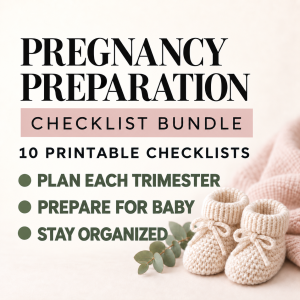
Preparing for your baby? Make the planning feel more manageable with 10 printable checklists covering each trimester, appointments, your hospital bag, birth preparation, postpartum supplies and more.
Another concern is the possibility of pregnancy complications, such as gestational diabetes or preeclampsia. Your healthcare provider will monitor you closely for signs and symptoms of these conditions and provide appropriate treatment, if necessary.
Changes in libido are also common during the first trimester, as hormonal shifts and physical changes can impact sexual desire. It’s important to communicate with your partner about any changes or concerns, and to seek advice from your healthcare provider if needed.
Lifestyle Adjustments for a Healthy Pregnancy
The first trimester is a critical time for the development of your baby, and healthy lifestyle adjustments can promote a positive pregnancy experience. Quitting smoking is one of the most important things you can do to protect your baby’s health. Caffeine can limit the absorption of iron, which is essential for your baby’s development, so it’s best to limit your intake. Alcohol can cause birth defects, so it’s important to avoid it completely during pregnancy.
In addition to avoiding harmful substances, focus on incorporating healthy habits into your daily routine. Eating a balanced diet with plenty of fruits, vegetables, and lean proteins can provide your baby with the nutrients they need to grow and develop. Regular physical activity, such as walking or prenatal yoga, can help you maintain a healthy weight and reduce the risk of pregnancy complications.
Taking care of your mental health is also important during the first trimester. Stress and anxiety can negatively impact your health and the health of your baby. Practice relaxation techniques, such as deep breathing or meditation, and seek support from loved ones or a healthcare professional if needed.
Morning Sickness Remedies
Morning sickness is a common and uncomfortable symptom experienced during the first trimester of pregnancy. While it can be difficult to manage, there are practical remedies and coping strategies that can provide relief.
1. Eat small, frequent meals
Opt for consuming multiple smaller meals throughout the day rather than three large ones. This approach can assist in maintaining stable blood sugar levels and minimizing the likelihood of experiencing nausea.
2. Stay hydrated
Drinking plenty of water can help reduce dehydration, a common trigger for morning sickness. Sipping ginger tea or lemon water may also settle the stomach.
3. Get enough rest
Fatigue can exacerbate morning sickness symptoms, so getting enough rest is important. Nap when you feel tired and avoid overexertion.
4. Use acupressure bands
Acupressure bands, worn on the wrists, can alleviate nausea by applying pressure to specific points on the body. These are available at most drugstores.
5. Try ginger or peppermint
Natural remedies like ginger and peppermint may offer relief for nausea. Consider sipping on ginger ale, chewing ginger candy, or trying peppermint tea or gum to soothe an upset stomach.
These approaches can be beneficial in easing morning sickness during the first trimester. If the severity of morning sickness significantly affects your daily life, it is advisable to consult with your healthcare provider.
Work and Pregnancy
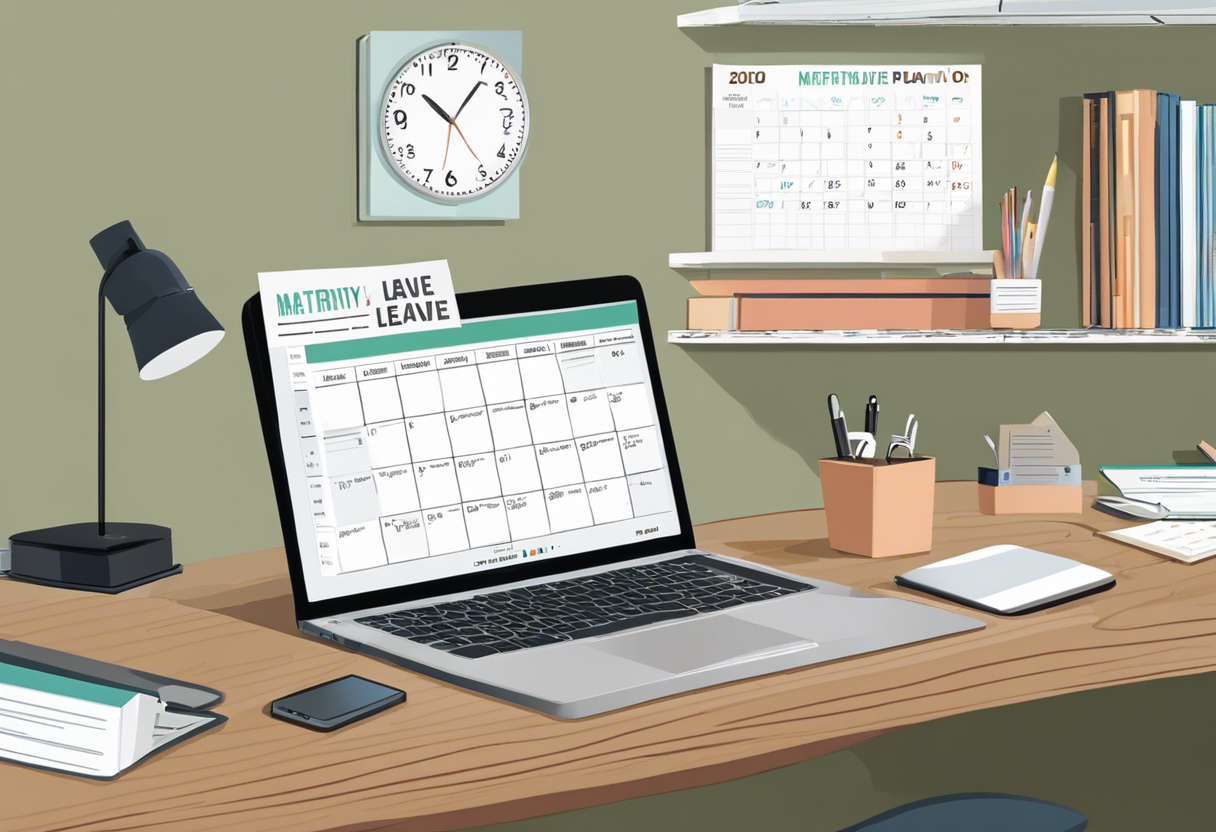
Many women continue to work throughout their first trimester, but it’s important to know your pregnancy employment rights and make accommodations as necessary. If you experience morning sickness, try eating small, frequent snacks and keeping crackers on hand to manage nausea. Don’t be afraid to talk to your employer about creating a safe work environment, such as avoiding exposure to toxic chemicals or making ergonomic adjustments to your workspace. Remember, taking care of yourself during this time is crucial for a healthy pregnancy.
Understanding Pregnancy Employment Rights
It’s important to familiarize yourself with your company’s maternity leave policies and your legal rights as a pregnant employee. This includes the Pregnancy Discrimination Act, which prohibits discrimination based on pregnancy, childbirth, or related medical conditions. Talk to your HR representative or supervisor to ensure you are aware of all policies and benefits available to you.
Managing Morning Sickness
If you experience morning sickness during work hours, there are several strategies to help manage symptoms. Eating small, frequent meals can help keep nausea at bay, along with drinking plenty of water and avoiding strong odors. Ginger or peppermint tea may also provide relief. If necessary, talk to your doctor about medication options that are safe during pregnancy.
Creating a Safe Work Environment
It’s important to make any necessary accommodations to your work environment to ensure the health and safety of you and your baby. This may include adjusting your workspace to promote good posture and comfort, as well as avoiding exposure to harmful chemicals or toxins. Talk to your employer about any concerns you have and work together to create a safe and healthy work environment.
Conclusion
Congratulations on completing the ultimate guide to the do’s and don’ts during your first trimester of pregnancy. By following the recommendations and tips outlined in this article, you are on your way to a healthy and positive pregnancy experience.
Remember to prioritize prenatal care, maintain a balanced and nutritious diet, engage in safe physical activity, and take care of your emotional well-being. Avoid harmful substances and behaviors, and make necessary lifestyle adjustments to support a healthy pregnancy.
As you navigate this exciting journey, don’t hesitate to reach out to your healthcare provider for guidance and support. And most importantly, trust your instincts and listen to your body.
By incorporating these strategies into your daily routine, you can enjoy a safe, healthy, and happy first trimester. Best of luck to you and your growing family!
Want a little help keeping track of everything as you prepare for baby? The Pregnancy Preparation Checklist Bundle is there when you’re ready, with 10 simple printable checklists to guide you one checkmark at a time.
Helpful Pregnancy Essentials
- Large insulated water bottle with strawKeep water cold and visible throughout the day, with a straw lid that makes frequent sipping more convenient.
- Weekly pill organizer with removable daysSeparate prenatal vitamins and clinician-approved supplements by day so it is easier to keep track of your routine.
- Tabbed pregnancy plannerRecord symptoms, appointment questions and first-trimester tasks before the details become difficult to remember.


You May Also Like

Mastering the Art of Belly-Only Pregnancy: A Comprehensive Guide to Controlling Weight Gain

Pregnancy To-Do Checklist- The 30 Things You Must Do First
