10 Parenting Hacks for Fostering Creativity and Learning at Home
This post contains affiliate links. As an Amazon Associate I earn from qualifying purchases.
1)Create an Art Station:
Dedicate a corner of the house to arts and crafts. Stock it with paper, markers, glue, and other supplies. Letting kids freely access their tools encourages creativity and self-expression.
2)Make Learning Fun with Games:
Turn educational topics into games. For example, play “I Spy” to practice colors and shapes, or use flashcards for quick math practice. Making learning fun enhances engagement and retention.
An open-ended wooden building set can become a tower, town, bridge or imaginary world, giving children more creative mileage than a toy with only one intended result.
3)Rotate Toys and Books:
Every few weeks, rotate the toys and books that are available to your child. This keeps their environment fresh and exciting, encouraging them to engage in new ways without buying more items.
4)Build with Recyclables:
Save cardboard boxes, paper rolls, and other recyclable items for your child to create their own inventions. It promotes critical thinking, creativity, and eco-consciousness at the same time.
5)Set Up a Sensory Play Area:
Create a sensory bin filled with items like rice, beans, or sand for tactile exploration. Add scoops, funnels, and small toys for hands-on learning. It’s a great way to engage toddlers and preschoolers.
A three-tier rolling art cart keeps paper, paints and craft supplies accessible for creative time, then moves out of the way when the activity ends.
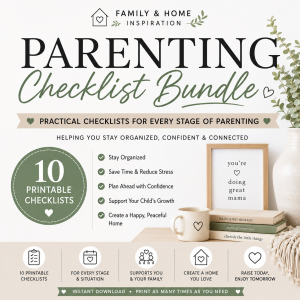
Could family life use a little less chaos? Make everyday routines easier with 10 printable parenting checklists covering school mornings, after-school routines, bedtime, screen time, sibling conflict, healthy habits, travel and more.
6)Encourage Outdoor Exploration:
Take learning outside by going on nature walks, gardening, or bird-watching. Ask questions like, “What colors do you see?” or “Why do you think this plant grows here?” to spark curiosity.
7)Create Story Time Traditions:
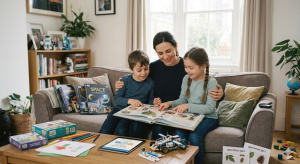
Set aside daily time for reading. Let kids choose the books, and ask them questions about the plot and characters to encourage comprehension. It also helps foster a lifelong love of reading.
A front-facing children’s bookshelf lets young readers choose books by their covers and return them without wrestling with a tightly packed shelf.
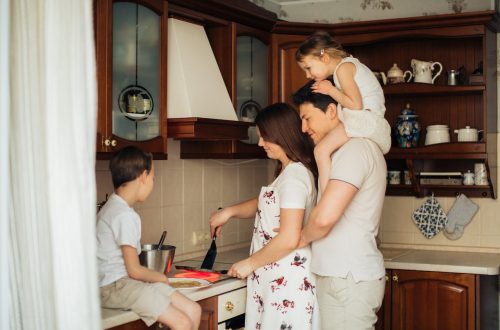
8)Engage in Cooking Together:
Cooking is a great way to introduce math, science, and life skills. Teach your kids about measurements, following directions, and the science of cooking while preparing meals together.
9)Offer Open-Ended Toys:
Invest in toys like building blocks, LEGOs, or magnetic tiles that allow for open-ended play. These toys challenge kids to use their imagination and problem-solving skills.
10)Use Music for Learning:
Incorporate music into learning by creating songs to memorize concepts like the alphabet or times tables. Music enhances memory and makes learning more engaging.
Want a little help making everyday family life easier? The Organized Parent Checklist Bundle is there when you need it, with 10 practical printable checklists for some of the routines and challenges parents handle every day.
Helpful Family Products
You May Also Like

20 Positive Affirmations for Your Kids to Quickly Increase Their Self- Esteem

Parenting 101: Expert Tips for Soothing a Newborn